Diamond shapes: round, oval, pear and more
Before you think about carats or colour, there is one choice that defines the character of a piece: the shape of the diamond. A classic round, a romantic pear or a clean-lined emerald tell different stories, even with stones of similar quality. In this guide we introduce the most common shapes and share a few tips for choosing.
Shape is not cut
The two are easily confused. Shape is the outline of the stone seen from above: round, oval, pear. Cut is the quality of the faceting, and it is what drives the sparkle. An oval diamond can have an excellent or a poor cut. We explain cut and the other criteria in The 4 Cs of diamonds, simply explained.
There are also two broad families of cut. Brilliant cuts (round, oval, pear, marquise, heart, radiant, cushion) have triangular and kite-shaped facets that scatter light into sparkle. Step cuts (emerald, Asscher, baguette) have parallel, rectangular facets that create broad flashes of light, like a hall of mirrors.
The most common shapes
| Shape | Style | Good to know |
|---|---|---|
| Round (brilliant) | Classic and timeless | The most sparkling, with 57 or 58 facets. |
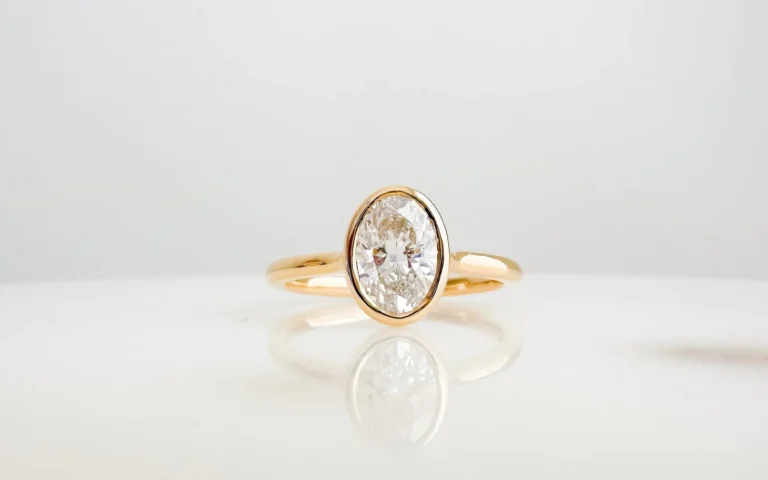
| Oval | Elegant and elongated | Looks larger for its weight and lengthens the finger. |
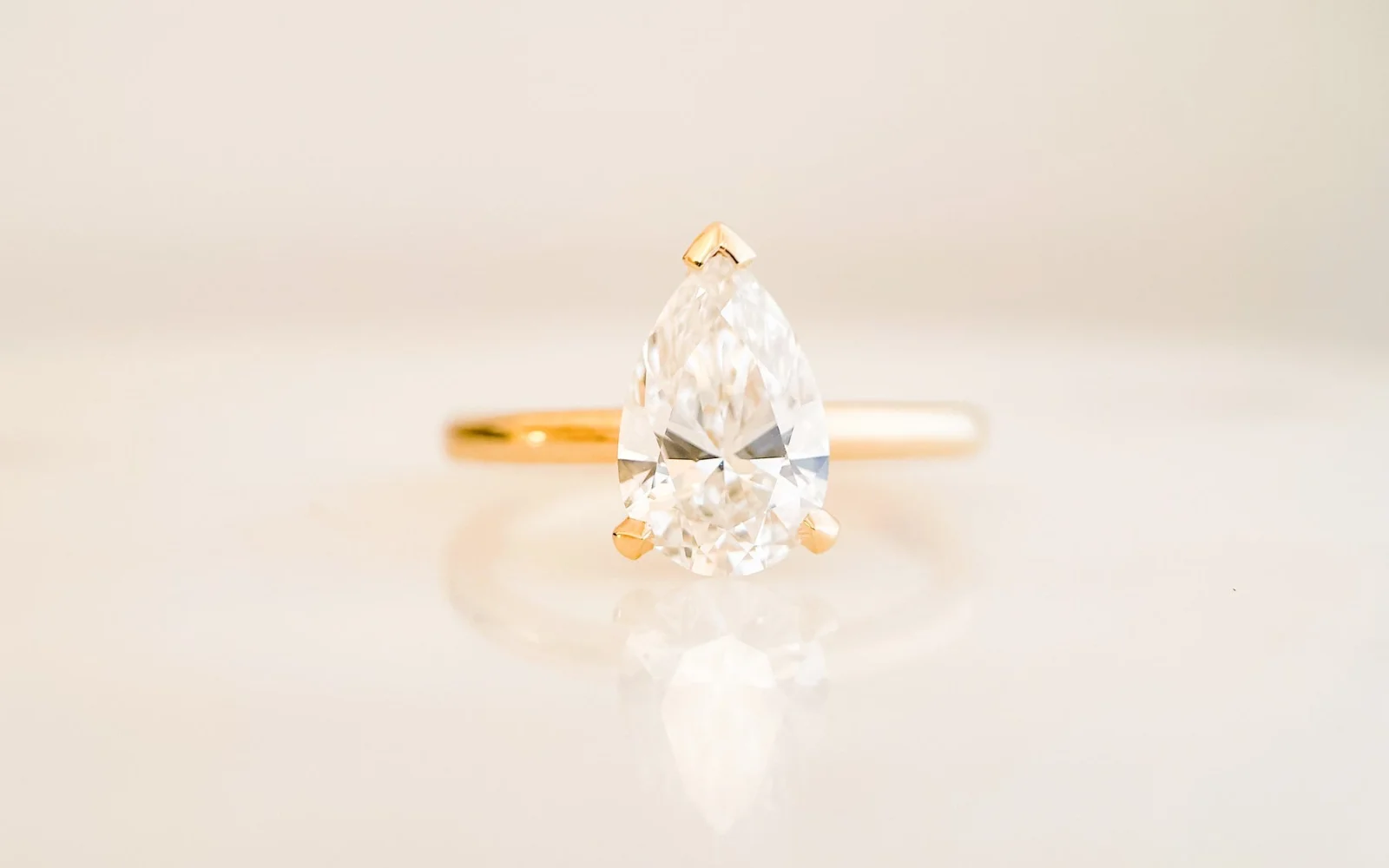
| Pear | Romantic and distinctive | Beautiful in rings, earrings and pendants. |
| Marquise | Vintage and striking | One of the shapes that look largest for their weight. |
| Emerald | Art Deco and understated | Step cut, with broad “hall of mirrors” reflections. |
| Asscher | Geometric and vintage | A square step cut with cropped corners. |
| Cushion | Soft and romantic | Square or rectangular, with rounded corners. |
| Radiant | Modern and lively | A rectangular outline with brilliant-style sparkle. |
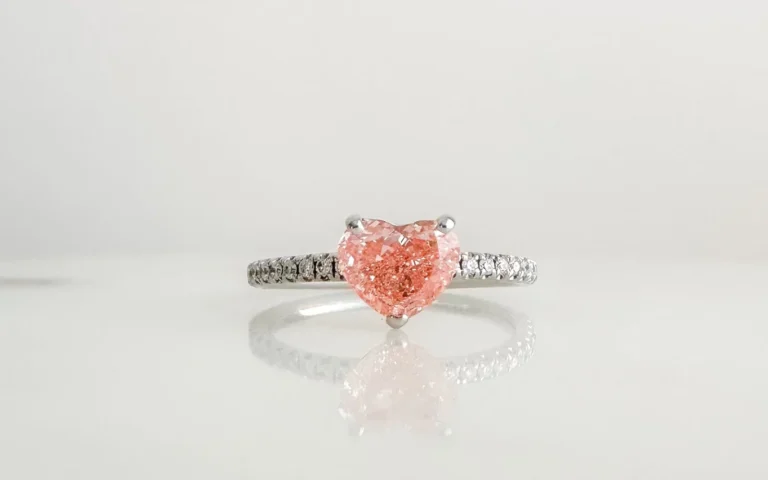
| Heart | Symbolic | Needs perfect symmetry to read clearly. |
| Baguette | Discreet and linear | Small rectangular stones, mostly used as side stones. |
In the LOU JEWELS collection you will find all of these shapes, on their own or combined. The NUDE bracelet, for example, can have its diamond in a brilliant, marquise, heart, oval or Asscher cut, and the BABETTE ring sets two marquise diamonds side by side.
The heart: a shape with family history
In the Loots family, the heart has a special meaning. Henri Daussi Loots, Bart’s grandfather, developed his own polishing wheel, with which he cut one of the first heart-shaped diamonds. You can read this story in The Loots family: five generations of Antwerp diamond dealers.
How to choose the right shape
- Think about the wearer’s style. Lovers of classics tend towards the round; those who want something different, towards the pear, marquise or emerald.
- Elongated shapes make fingers look longer. Oval, pear and marquise are a good choice for smaller hands.
- For the same carat weight, elongated shapes look larger than a round, because more of the surface is on show.
- Step cuts reveal more of the stone’s interior. For an emerald or Asscher, it is worth choosing a higher clarity.
- Watch out for the “bow-tie” effect. In ovals, pears and marquises, a darker band can appear across the centre. Look at photos or videos of the stone before deciding.
- Protect the points. In pointed shapes such as the pear, marquise and heart, the tips should be secured by prongs.
In short
- Shape is the outline of the stone; cut is the quality of the facets.
- Brilliant cuts scatter light into sparkle; step cuts create broad reflections.
- The round is the most sparkling; elongated shapes look larger and lengthen the finger.
- Emerald and Asscher cuts call for a higher clarity.
- At LOU JEWELS, many designs are available in several shapes.
Get in touch
Not sure which shape to choose, or would you like to see a piece in another shape? Message Daniel on WhatsApp (+351 962 939 931), in Portuguese, English, Flemish or French. See our pieces and latest arrivals on Instagram and Facebook.